AI vs Human Developer: Who Wins in 2026?
In January 2026, the debate over AI versus human developers has reached a turning point. AI coding tools like GitHub Copilot, Amazon Q, and autonomous agents can generate code at lightning speed, debug issues, and even build full applications from prompts. But can AI truly replace human developers? This in-depth analysis (over 1,900 words) compares strengths, weaknesses, real-world performance, collaboration models, job impacts, and future outlook—revealing why it's not AI vs humans, but AI with humans that's winning.
1. The Rise of AI in Software Development
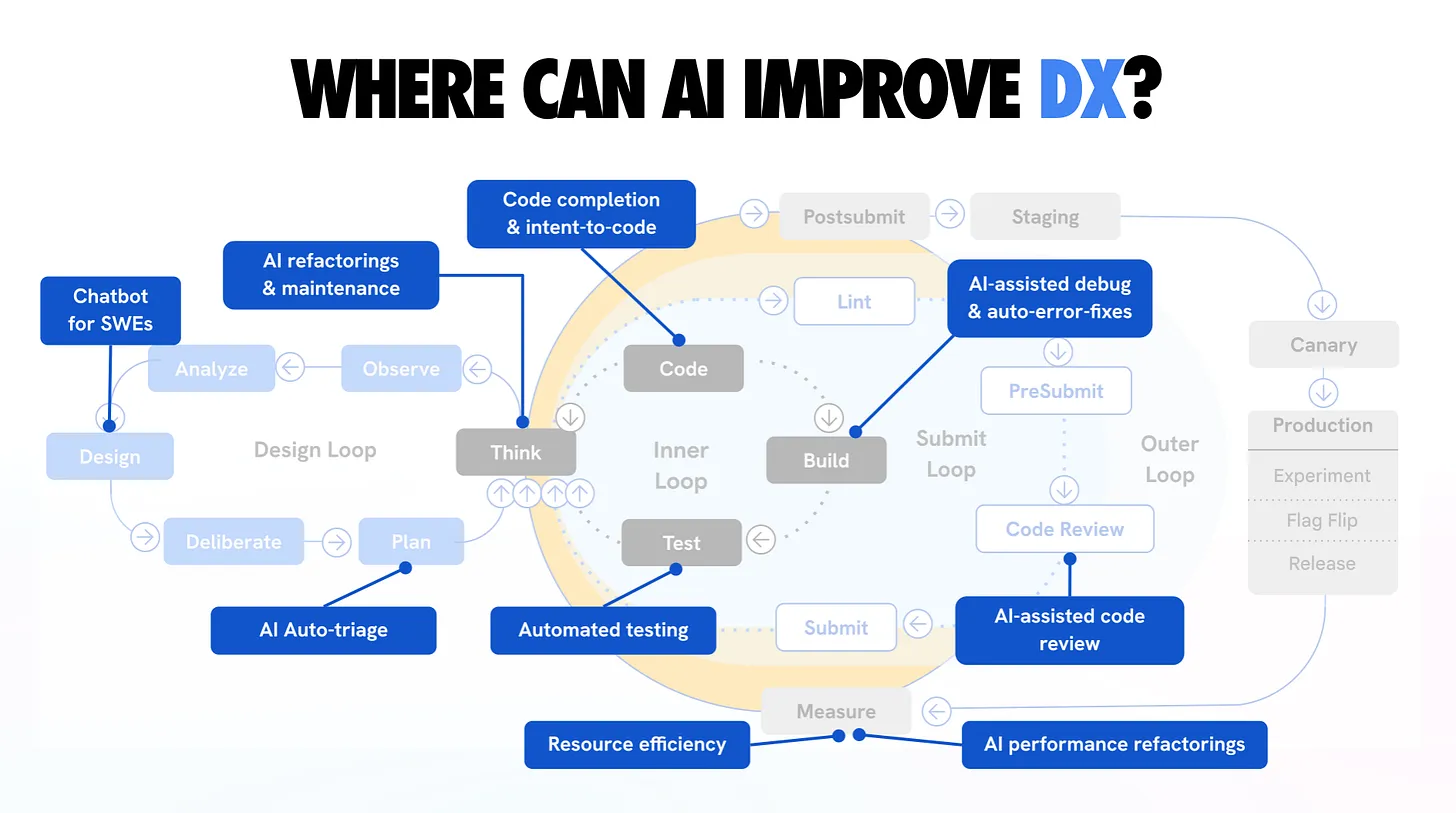
AI entered coding mainstream with tools like Copilot in 2021, but by 2026, advancements in LLMs (o3 series, Grok 3, Claude 3.5) and agentic systems enable multi-step reasoning, tool use, and long-context understanding. Developers now routinely accept 30-50% of AI suggestions, boosting productivity.
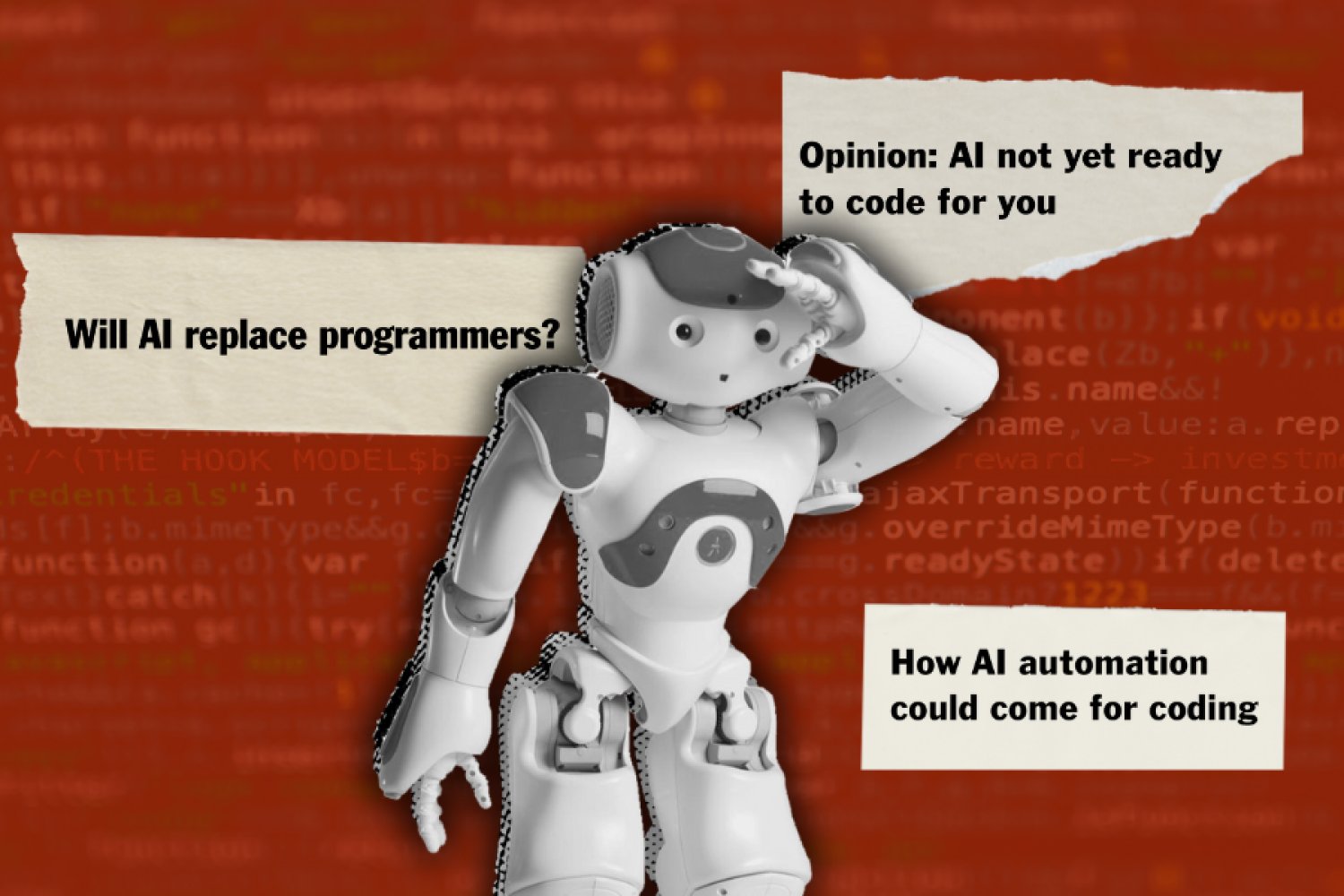
Yet, AI excels at pattern matching from training data, while humans bring creativity, ethics, and deep problem-solving.
2. Strengths of AI Developers
AI shines in:
- Speed & Volume: Generates boilerplate, CRUD ops, or tests in seconds.
- Consistency: Follows best practices without fatigue.
- Breadth of Knowledge: Accesses patterns from millions of repos.
- Repetitive Tasks: Refactoring, documentation, unit tests.
- 24/7 Availability: No breaks needed.
Example: AI agents like Devin or Cursor can build simple apps from specs autonomously, handling planning, coding, and debugging loops.
3. Strengths of Human Developers
Humans remain superior in:
- Creativity & Innovation: Designing novel architectures or solving undefined problems.
- Context & Nuance: Understanding business needs, legacy systems, and edge cases.
- Ethics & Judgment: Handling security, privacy, bias, and compliance.
- Communication: Collaborating with teams, stakeholders, and users.
- Critical Thinking: Verifying AI outputs and fixing subtle bugs.
Example: In complex enterprise systems, humans excel at integrating disparate tech stacks and foreseeing long-term maintainability.
4. Direct Comparison: AI vs Human Performance
Benchmarks in 2026 show:
- Simple Tasks: AI wins (e.g., LeetCode easy/medium problems faster).
- Complex Projects: Humans + AI outperform pure AI (SWE-Bench: top agents ~40-50% solve rate vs human-led 80%+).
- Debugging: AI great at common errors; humans better at novel/root causes.
- Code Quality: AI code often works but lacks elegance/security without review.
Real-world: Studies show developers using AI are 55% faster (GitHub data), but final output quality depends on human oversight.
5. Collaboration: The Winning Model
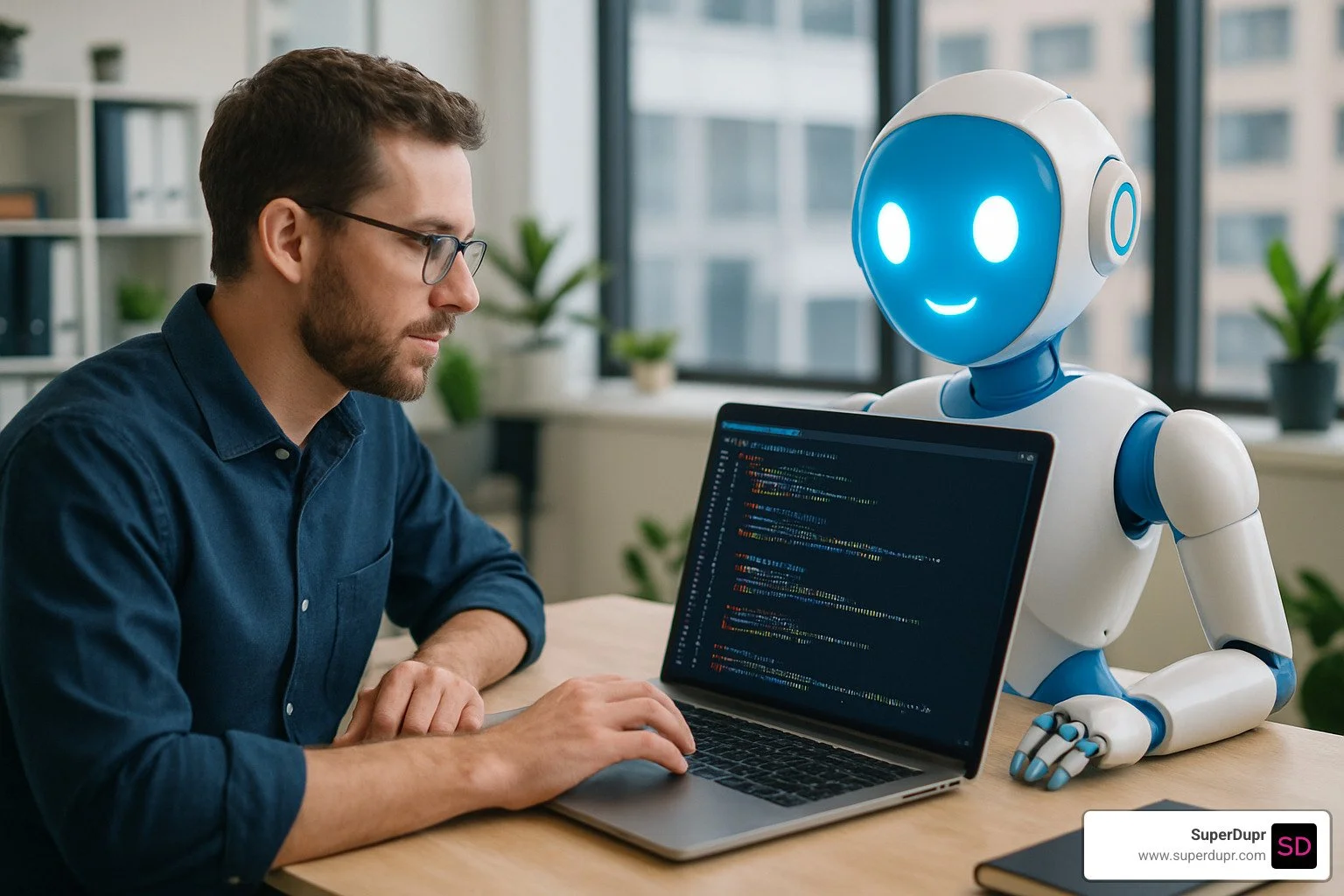
The hybrid approach dominates: Humans define goals, review, and innovate; AI handles grunt work.
Tools enable seamless pairing—Copilot chats, Cursor composes, agents execute under supervision.
Example: Senior devs use AI for prototypes, then refine for production.
6. Impact on Developer Jobs
AI augments, not replaces:
- Demand for developers grows (focus shifts to higher-level skills).
- Junior roles evolve: More emphasis on prompting and verification.
- New roles: AI tool specialists, prompt engineers, agent orchestrators.
Prediction: By 2030, most code written with AI assistance, but humans lead design and strategy.
7. Limitations and Risks
AI pitfalls: Hallucinations, IP issues (training on public code), security vulnerabilities in suggestions.
Humans: Slower, prone to bias/fatigue, but essential for accountability.
Conclusion
In 2026, it's clear: AI is not replacing human developers—it's empowering them. AI wins at scale and speed for routine tasks, while humans excel at creativity, judgment, and complex problem-solving. The most successful developers embrace AI as a powerful pair-programmer, achieving unprecedented productivity. The future belongs to those who master collaboration between human ingenuity and artificial intelligence. Start integrating AI tools today to stay ahead in this evolving landscape.