AI for Bug Fixing & Debugging: Tools, Benefits & Trends in 2026
In January 2026, artificial intelligence is transforming software development by making bug fixing and debugging faster, smarter, and more efficient. Developers traditionally spend 20-50% of their time hunting bugs—now AI tools analyze code in real-time, suggest fixes, and even automate resolutions. From proactive error detection to context-aware suggestions, AI reduces debugging time dramatically. This comprehensive guide (over 1,800 words) explains how AI assists in bug fixing and debugging, key tools, benefits, real-world examples, challenges, and emerging trends.
1. How AI Revolutionizes Bug Fixing and Debugging
AI uses machine learning, natural language processing, and large language models (LLMs) to understand code context, detect anomalies, and propose solutions. Unlike traditional debuggers relying on breakpoints and manual inspection, AI predicts issues, explains errors in plain language, and generates patches.
Key mechanisms include:
- Anomaly Detection: ML models learn "normal" code behavior and flag deviations.
- Contextual Analysis: Understands entire codebases, not just snippets.
- Automated Suggestions: Generates fixes based on vast training data from repositories.
- Predictive Debugging: Forecasts bugs from commit history and patterns.
In 2026, AI shifts debugging from reactive to proactive, catching issues early.

2. Top AI Tools for Bug Fixing and Debugging in 2026
Leading tools integrate into IDEs like VS Code or JetBrains:
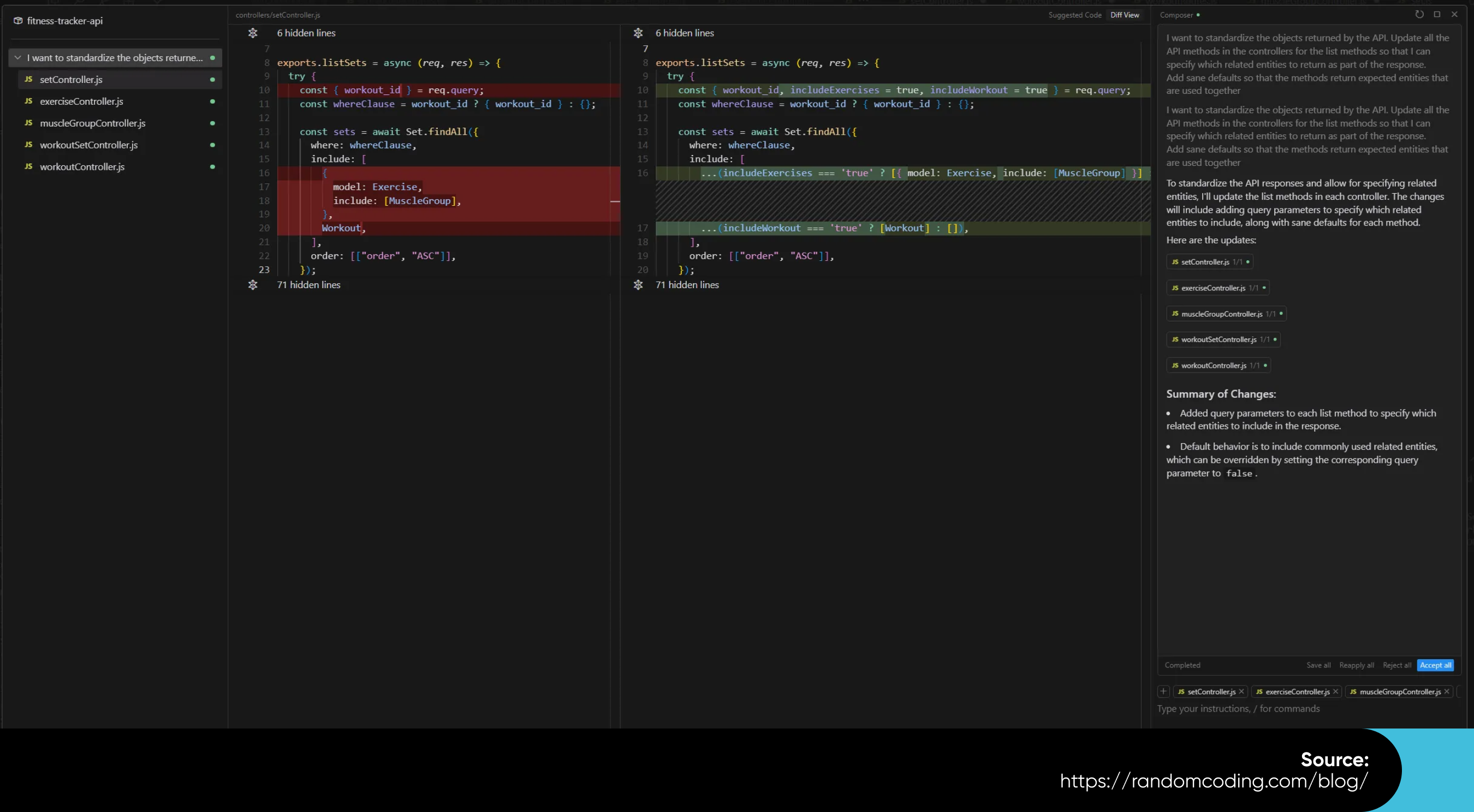
- GitHub Copilot (with Agent Mode): Suggests code, detects bugs, and automates fixes/refactors. Excels at real-time suggestions and error explanations.
- Safurai: Real-time code analysis, proactive bug detection, and context-aware fix recommendations as you type.
- Amazon Q Developer: AWS-integrated; automates debugging, architecture suggestions, and root cause analysis.
- Cursor or Devin-like Agents: Autonomous agents handle complex tasks, including multi-step debugging.
- Snyk Code & DeepCode: AI-powered static analysis for vulnerabilities and bugs with automated suggestions.
- ChatGPT/Claude in IDEs: Paste errors for instant explanations and fixes.
These tools reduce resolution time by 50-70% in many cases.
3. Benefits of AI in Bug Fixing and Debugging
AI delivers significant advantages:
- Faster Resolution: Automates root cause analysis and suggests fixes instantly.
- Improved Accuracy: Reduces false positives and catches subtle logic errors.
- Productivity Boost: Frees developers for creative work.
- Better Code Quality: Enforces best practices and catches vulnerabilities early.
- Learning Aid: Explains bugs, helping juniors improve.
- Scalability: Handles large codebases effortlessly.
Teams report 30-50% less time on debugging, leading to quicker releases.
4. Real-World Examples of AI Debugging
Practical applications include:
- Logic Errors: Copilot spots off-by-one errors in loops and suggests corrections.
- Null Pointers: Safurai flags potential null references with guards.
- Performance Issues: Amazon Q identifies inefficient queries and optimizes them.
- Security Bugs: Snyk detects SQL injections and proposes parameterized queries.
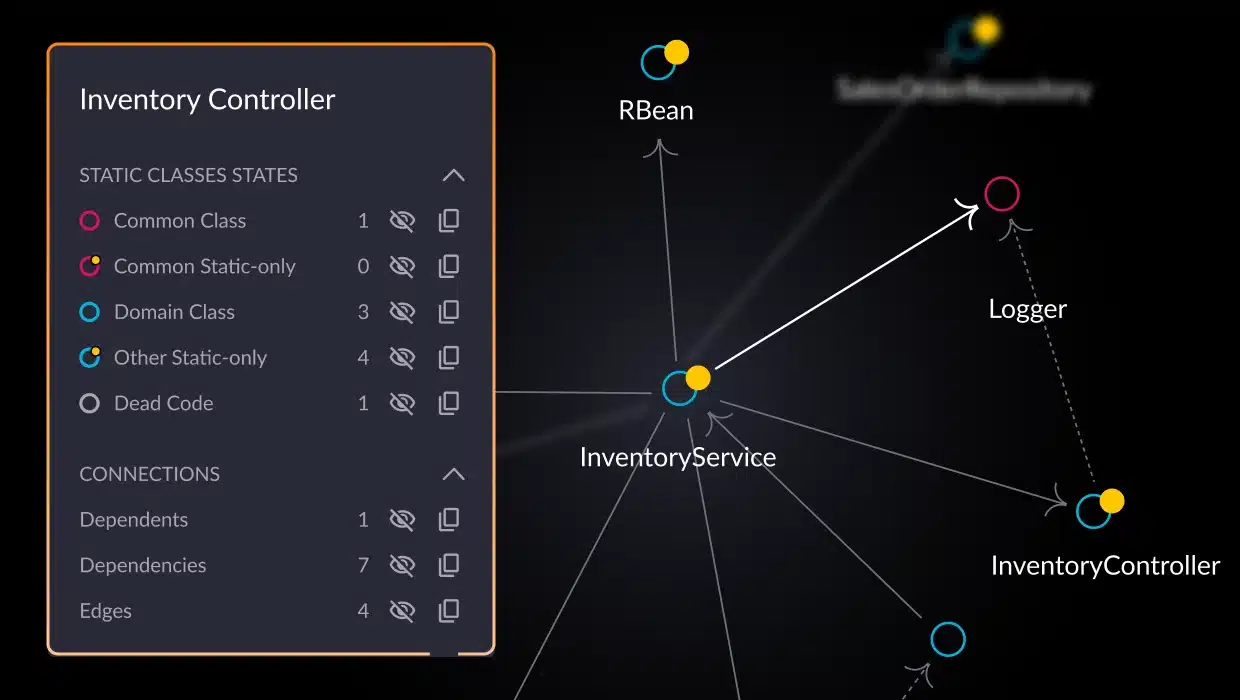
- Complex Systems: Agents like Devin reproduce bugs, analyze stacks, and patch autonomously.
Example: A developer pastes a stack trace into ChatGPT—it explains the cause (e.g., race condition) and provides a fixed code snippet.
5. Challenges and Limitations
AI isn't perfect:
- Hallucinations: Suggests incorrect fixes—always review.
- Context Limits: Struggles with very large or proprietary codebases.
- Bias/Over-reliance: May miss novel bugs or reduce critical thinking.
- Security Risks: Tools with cloud access could expose code.
- Explainability: Black-box suggestions hard to trust.
Best practice: Use AI as an assistant, not replacement.
6. Future Trends in AI for Debugging (2026 and Beyond)
Expect:
- Autonomous agents opening PRs with fixes.
- Repository intelligence for deeper context.
- Predictive bug prevention via commit analysis.
- Multimodal debugging (logs + traces + code).
- Edge AI for embedded/firmware debugging.
By 2030, AI could resolve 80-90% of routine bugs autonomously.
Conclusion
AI for bug fixing and debugging in 2026 is a game-changer, making development faster and less frustrating. Tools like Copilot and Safurai empower developers to catch issues early, suggest accurate fixes, and focus on innovation. While challenges remain, the benefits far outweigh them for most teams. Embrace AI debugging today—integrate a tool into your IDE and experience the productivity gains firsthand.