AI Voice Assistants Explained: Features, Top Options & Future in 2026
In January 2026, AI voice assistants have become indispensable daily companions, evolving from simple command responders to proactive, contextual intelligent agents. Powered by advanced large language models and on-device processing, they understand natural speech, maintain conversation memory, perform multi-step tasks, and integrate deeply with devices and services. Whether controlling smart homes, managing schedules, or providing real-time information, voice assistants like Siri, Gemini, Alexa, and Grok make interactions hands-free and intuitive. This comprehensive guide explains how AI voice assistants work, their key features in 2026, top options across platforms, real-world applications, privacy considerations, limitations, and exciting future developments.
1. How AI Voice Assistants Work: The Technology Behind the Magic
Modern voice assistants combine several cutting-edge technologies for seamless operation.
- Speech Recognition: Converts audio to text using acoustic models.
- Natural Language Understanding (NLU): Interprets intent and context with LLMs.
- Dialogue Management: Maintains conversation flow and memory.
- Text-to-Speech (TTS): Generates natural-sounding responses.
- On-Device vs Cloud: Hybrid approach for privacy and speed.
In 2026, assistants use multimodal inputs (voice + screen + camera) for richer interactions.
Real-world example: Asking "What's the weather like for my trip?" pulls calendar data, location, and forecasts intelligently.

2. Key Features of AI Voice Assistants in 2026
Today's assistants go far beyond basic commands.
- Proactive Suggestions: Anticipate needs based on habits.
- Multi-Step Tasks: Book flights, order food, create reminders chains.
- Personal Context: Access emails, messages, photos (with permission).
- Live Mode: Natural, interruptible conversations.
- Integration: Control smart home, apps, services.
- Privacy Controls: On-device processing, delete history.
Voice cloning and emotional tone detection add human-like nuance.
Real-world example: Gemini Live allows free-flowing discussions, brainstorming ideas verbally without typing.

3. Top AI Voice Assistants Compared in 2026
- Siri (Apple Intelligence): Best privacy, deep iOS integration, Writing Tools.
- Google Gemini: Multimodal, real-time search, Android ecosystem leader.
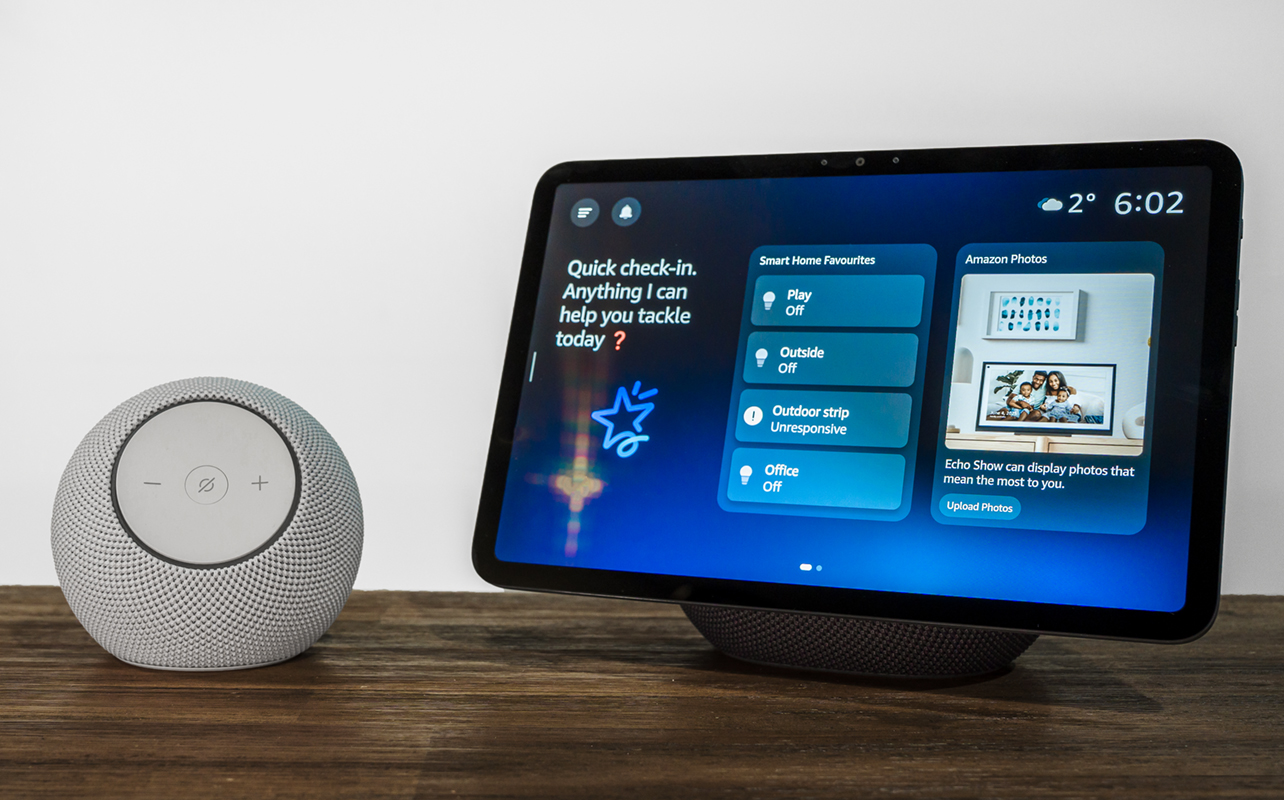
- Amazon Alexa: Smart home champion, routines, skills ecosystem.
- Grok (xAI): Witty, uncensored, real-time knowledge.
- Microsoft Copilot: Productivity focus, Office integration.
Platform choice determines best fit.
Real-world example: Alexa controls thousands of smart devices for automated home routines.
4. Privacy and Security Considerations
On-device processing dominates for sensitive queries.
- End-to-end encryption for voice data.
- User controls for history deletion.
- Transparency reports from providers.
5. Limitations and Challenges
- Accent/dialect recognition gaps.
- Context loss in long conversations.
- Dependency on internet for some features.
6. The Future of AI Voice Assistants
Expect emotional intelligence, AR integration, and agentic capabilities.
Conclusion
AI voice assistants in 2026 are sophisticated, proactive tools enhancing daily life across platforms. Siri excels in privacy, Gemini in versatility, Alexa in homes—choose based on ecosystem. As technology advances, voice will become primary interface. Try advanced features today—the era of truly intelligent assistants has arrived.