Best Free VPNs in 2026: Are They Safe & Worth Using?
In January 2026, Virtual Private Networks (VPNs) are essential for online privacy, security on public Wi-Fi, and accessing geo-restricted content. While paid VPNs offer premium features, many users seek free options to save money. But are free VPNs truly safe? The short answer: some are, but most aren't. Many free VPNs log data, inject ads, or even sell user information. This in-depth guide (over 1,900 words) reviews the best safe free VPNs available today, their pros and cons, real limitations, potential risks, and why upgrading to a paid service is often wiser.
1. Understanding Free VPNs: How They Work & Why They're "Free"
VPNs encrypt your internet traffic and route it through remote servers, hiding your IP address and protecting data from snoopers. Free VPNs sustain operations through upsells to paid plans, ads, data caps, or—in shady cases—selling user data.
Reputable free VPNs (freemium models) come from trusted companies with paid versions subsidizing the free tier. Unsafe ones are standalone "free forever" apps that monetize invasively.
In 2026, experts recommend only freemium VPNs with audited no-logs policies.

2. Are Free VPNs Safe? The Risks Explained
Not all free VPNs are safe. Common risks include:
- Data Logging & Selling → Many track activity and sell to advertisers or third parties.
- Malware & Ads → Some inject malicious ads or contain malware.
- Weak Encryption → Outdated protocols leave traffic vulnerable.
- IP/DNS Leaks → Fail to hide your real IP, exposing you.
- Limited Security Features → No kill switch or advanced protection.
Studies show over 80% of free Android VPNs have privacy issues. Stick to audited providers like Proton VPN.
3. The Best Safe Free VPNs in 2026
Here are the top trustworthy free VPNs, based on independent audits, speed tests, and privacy policies:
Proton VPN Free (Best Overall)
From Swiss-based Proton (known for Proton Mail), it's the most recommended free VPN.
Pros:
- Unlimited data (rare for free).
- Strong no-logs policy (independently audited).
- Excellent encryption and security features.
- No ads.
- Good speeds for browsing.
Cons:
- Limited servers (5 countries).
- One device connection.
- No manual server selection (auto-connects).
- Slower than paid rivals.
Ideal for privacy-focused daily use.
Hide.me Free
Malaysia-based with a solid reputation.
Pros:
- 10GB monthly data.
- 8 server locations.
- No-logs audited.
- Strong security (kill switch).
Cons:
- Data cap limits heavy use.
- One connection.
- No streaming unblocking on free.
Windscribe Free
Generous features from a Canadian provider.
Pros:
- 10-15GB monthly (more via promotions).
- 10+ countries.
- Ad/malware blocker.
- Good for light streaming.
Cons:
- Data cap.
- Slower speeds on distant servers.
Hotspot Shield Free
Fastest free option.
Pros:
- Unlimited data (with ads).
- High speeds.
- Easy to use.
Cons:
- Ads in app.
- Limited servers (US only often).
- Past logging concerns (improved now).
4. Free vs. Paid VPNs: Key Differences
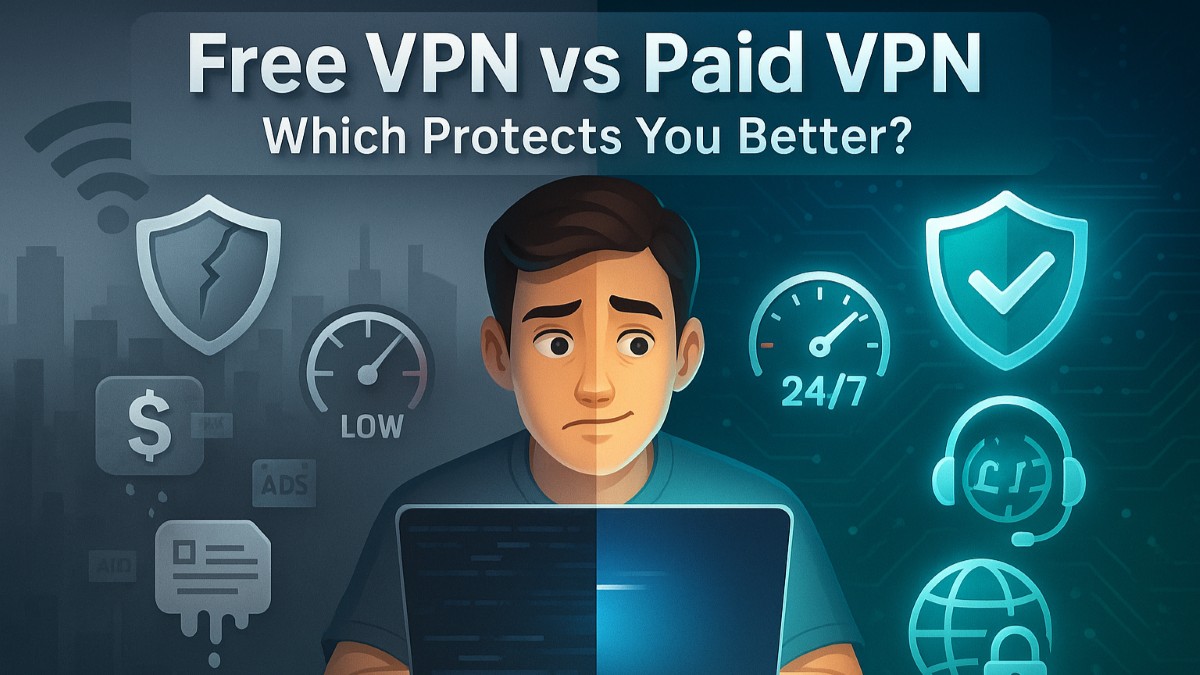
Paid VPNs (e.g., ExpressVPN, NordVPN) outperform free ones:
- Unlimited data/speeds.
- Thousands of servers worldwide.
- Better streaming/torrenting support.
- Multi-device connections.
- 24/7 support.
- Advanced features (obfuscation, split-tunneling).
Many offer 30-day money-back guarantees—essentially free trials.
5. When to Avoid Free VPNs Altogether
Avoid if you need:
- High-speed streaming/gaming.
- Reliable unblocking (Netflix, etc.).
- Maximum privacy in sensitive situations.
- Torrenting large files.
Conclusion
Some free VPNs like Proton VPN and Hide.me are safe and useful for basic privacy on public Wi-Fi or light browsing in 2026. However, limitations and risks make them inferior to paid options. For serious protection, invest in a premium VPN—many cost less than a coffee monthly and offer risk-free trials. Prioritize your privacy: a trustworthy paid VPN is always the safest choice.