What is Internet of Things (IoT)? The Complete Guide for 2026
In January 2026, the Internet of Things (IoT) has become one of the most transformative technologies of our era, connecting billions of physical devices to the internet and enabling them to collect, share, and act on data autonomously. From smart thermostats adjusting home temperatures to industrial sensors optimizing factory operations, IoT is reshaping daily life, business, and society. This comprehensive guide dives deep into what IoT truly is, its core components, how it functions, key benefits, real-world applications, challenges (especially security), and emerging trends for the future. Whether you're a beginner or a tech professional, this article—over 1,800 words—provides a clear, detailed overview to help you understand IoT's profound impact.
1. Defining the Internet of Things (IoT)
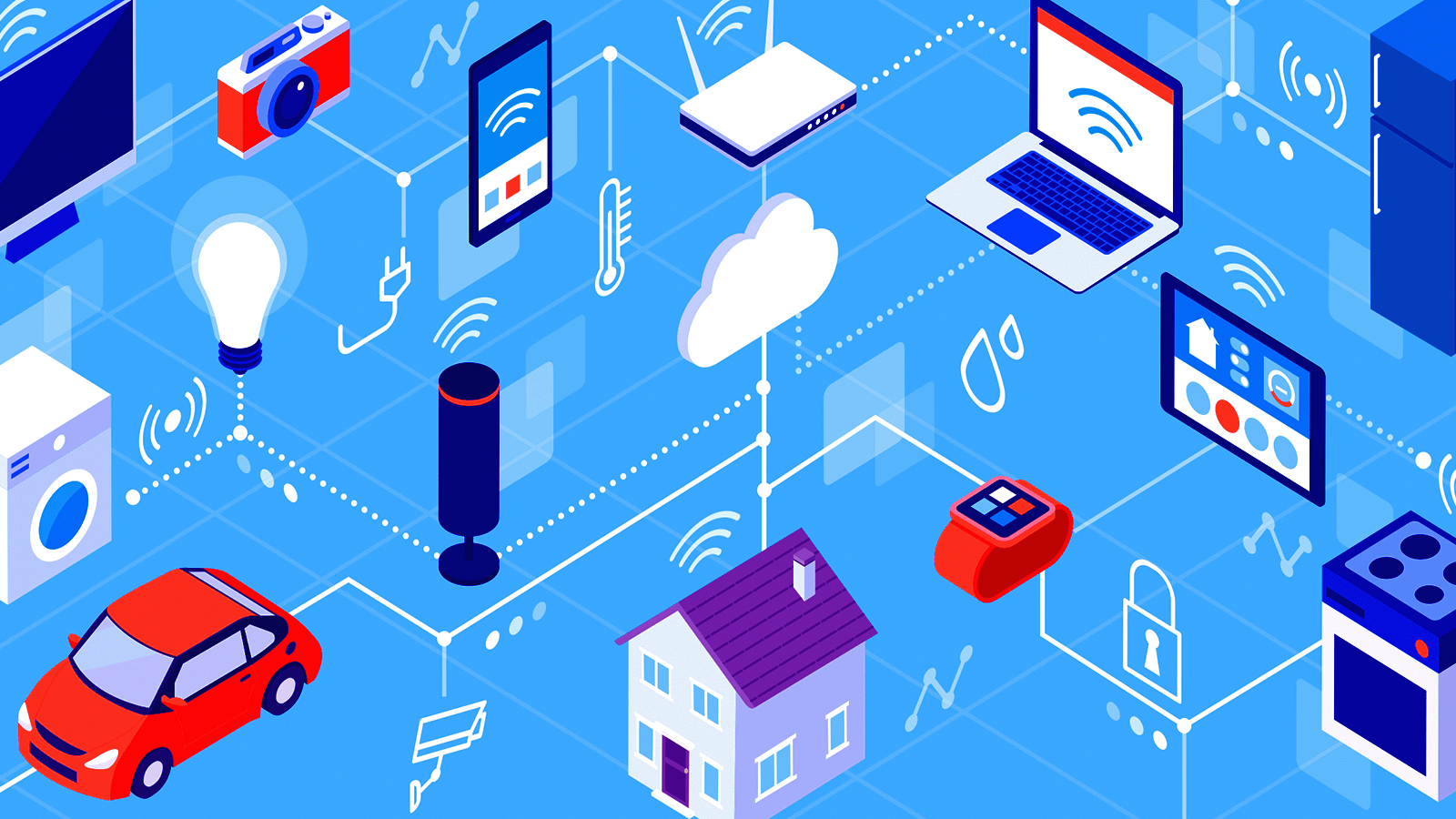
The Internet of Things refers to the vast network of physical objects—"things"—embedded with sensors, software, and other technologies to connect and exchange data with other devices and systems over the internet. Coined by Kevin Ashton in 1999 during his work at Procter & Gamble, the term has evolved from a niche concept to a global ecosystem.
In 2026, IoT encompasses everything from consumer gadgets like wearables and smart appliances to enterprise solutions in agriculture, healthcare, and manufacturing. According to recent estimates, there are over 17 billion connected IoT devices worldwide, projected to exceed 30 billion by 2030. IoT is not just about connectivity; it's about creating intelligent systems that make decisions, predict needs, and automate processes without human intervention.
At its heart, IoT bridges the physical and digital worlds, turning ordinary objects into smart, responsive entities that improve efficiency, safety, and convenience.
2. How IoT Works: Architecture and Components
IoT systems follow a layered architecture that enables seamless data flow from sensors to actionable insights:
- Perception Layer (Devices/Sensors): Physical devices like temperature sensors, cameras, actuators, and RFID tags collect data from the environment.
- Network Layer (Connectivity): Technologies such as Wi-Fi, Bluetooth, Zigbee, 5G, LoRaWAN, or NB-IoT transmit data securely to gateways or the cloud.
- Middleware Layer (Processing): Edge computing or gateways process raw data locally for quick actions, reducing latency.
- Application Layer (Cloud/Platforms): Cloud services (AWS IoT, Azure IoT, Google Cloud IoT) store, analyze, and visualize data using AI/ML.
- User Interface Layer: Apps, dashboards, or voice assistants allow humans to monitor and control devices.
Data flows bidirectionally: devices send data upward for analysis, while commands flow downward for actions (e.g., turning on a light remotely). Protocols like MQTT, CoAP, and HTTP ensure efficient, lightweight communication. In 2026, integration with AI and edge computing allows many decisions to happen locally, enhancing speed and privacy.
3. Key Benefits of IoT
IoT delivers transformative advantages across sectors:
- Efficiency and Automation: Automates routine tasks, reducing manual effort and errors.
- Data-Driven Insights: Real-time data enables predictive analytics and informed decisions.
- Cost Savings: Optimizes resource use (energy, inventory), lowering operational expenses.
- Improved Safety and Convenience: Monitors hazards and personalizes experiences.
- Scalability: Easily adds devices to growing networks.
- Sustainability: Supports smart grids and precision agriculture to reduce waste.
Businesses report up to 20-30% efficiency gains from IoT deployments, while consumers enjoy seamless smart living.
4. Real-World Examples and Applications of IoT
IoT is deployed across diverse industries in 2026:
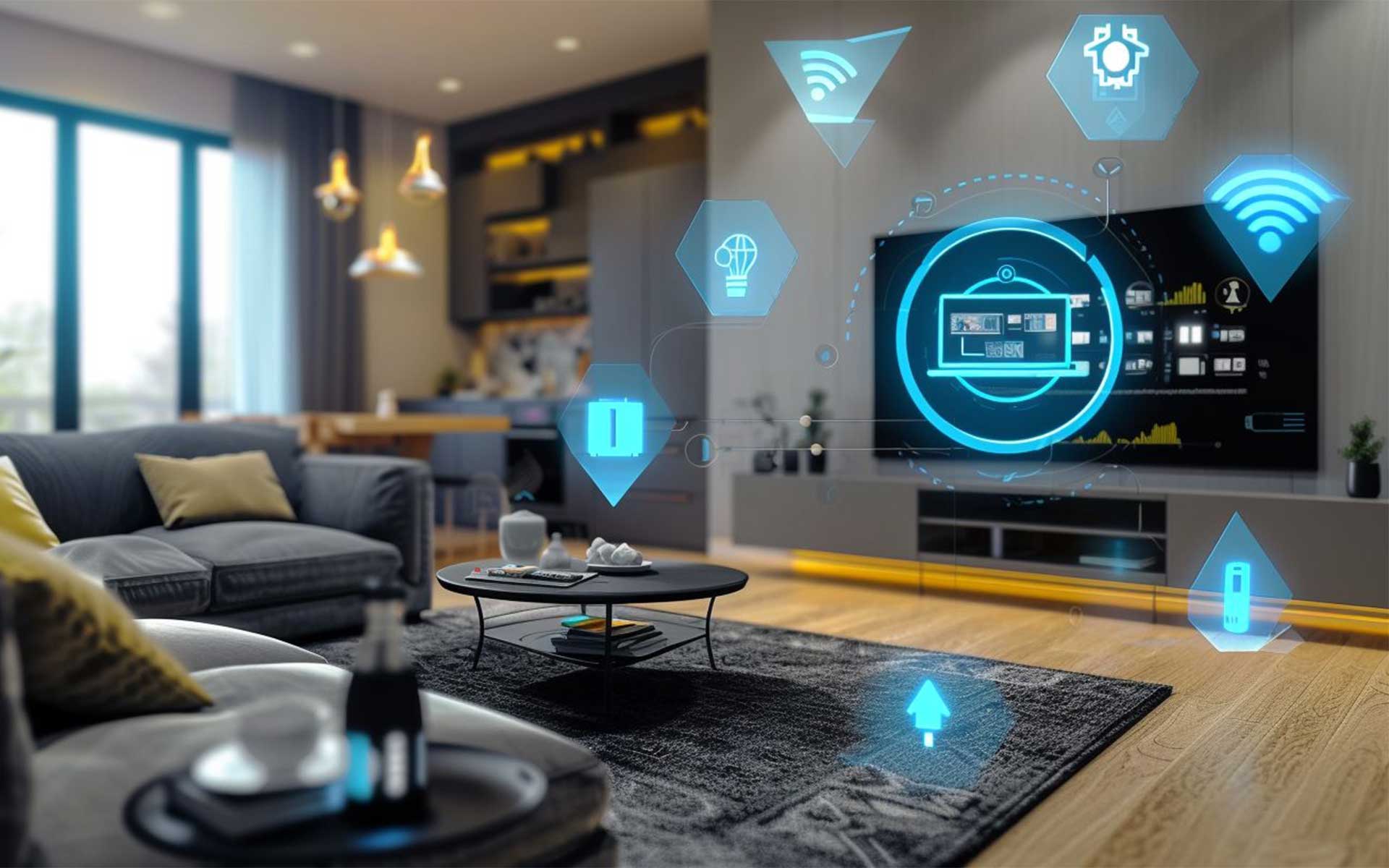
- Smart Homes: Devices like Nest thermostats, Ring doorbells, and Philips Hue lights connect via hubs (Amazon Echo, Google Home) for automated lighting, security, and energy management.
- Healthcare: Wearables (Apple Watch, Fitbit) monitor vitals; remote patient monitoring systems alert doctors to anomalies, improving outcomes for chronic conditions.
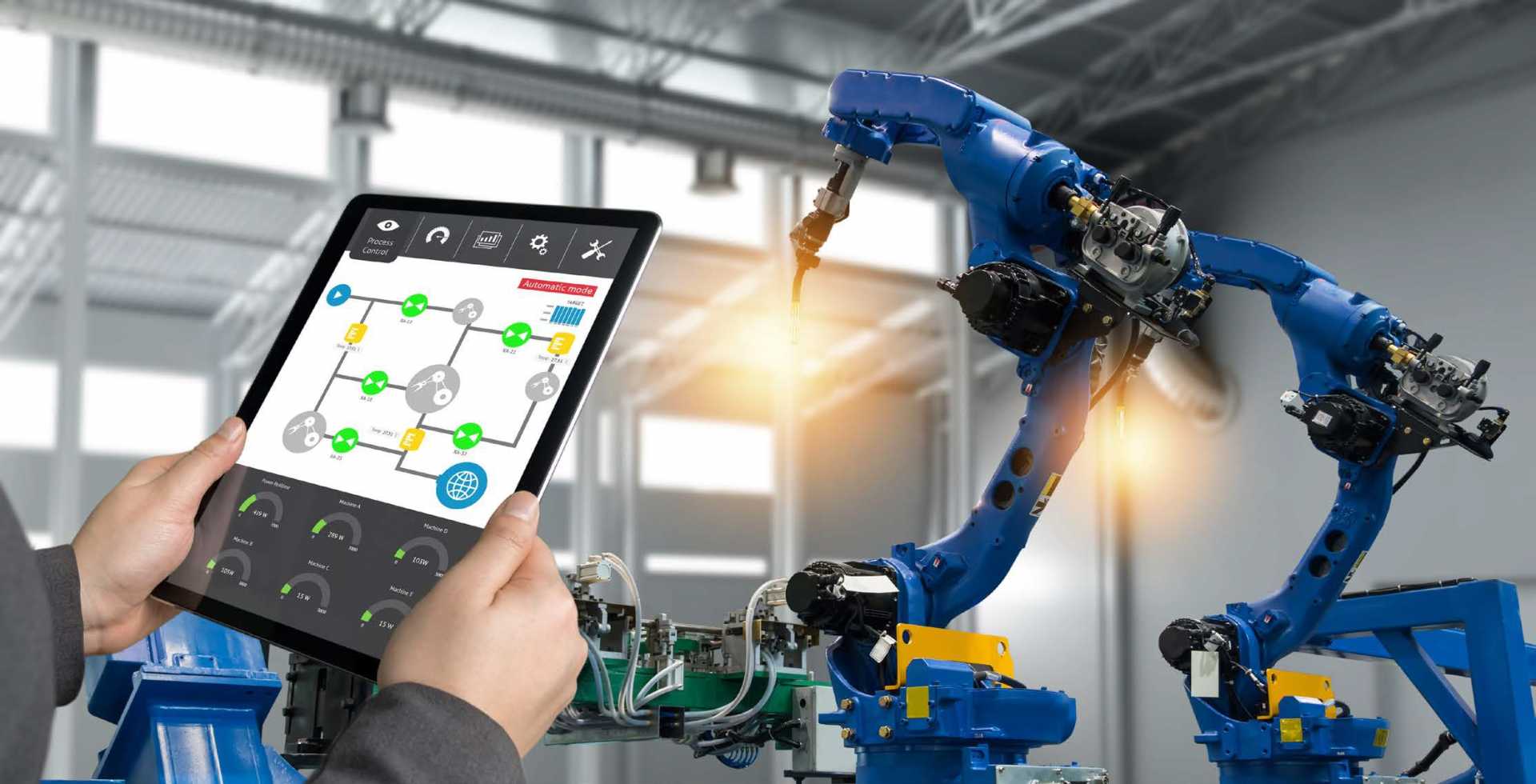
- Manufacturing (Industrial IoT - IIoT): Sensors on machinery predict maintenance (e.g., GE's Predix platform), reducing downtime by 30-50%.
- Agriculture: Precision farming with soil sensors, drones, and automated irrigation optimizes yields while conserving water.
- Smart Cities: Traffic sensors in Singapore adjust signals dynamically; waste bins signal when full for efficient collection.
- Transportation: Connected vehicles (Tesla) share traffic data; fleet management tracks logistics in real-time.
- Retail: Beacon technology sends personalized offers to shoppers' phones; inventory robots monitor stock.
These applications demonstrate IoT's versatility in solving real problems at scale.
5. Challenges and Limitations of IoT
Despite its growth, IoT faces significant hurdles:
- Security and Privacy: Billions of devices create vast attack surfaces; incidents like the Mirai botnet highlight vulnerabilities. Weak passwords and unpatched firmware are common risks.
- Interoperability: Lack of universal standards leads to fragmented ecosystems.
- Scalability and Data Management: Handling massive data volumes strains networks and storage.
- Power Constraints: Battery-powered devices need energy-efficient designs.
- Regulatory Issues: Varying data privacy laws (GDPR, CCPA) complicate global deployments.
- Cost and Complexity: Initial setup and integration can be expensive for smaller organizations.
In 2026, solutions like zero-trust security, blockchain for data integrity, and AI-driven threat detection are addressing these, but vigilance remains essential.
6. The Future of IoT in 2026 and Beyond
IoT is set for explosive growth, fueled by advancements:
- Integration with AI and Edge Computing: Smarter, faster local processing for autonomous decisions.
- 5G and 6G Rollout: Ultra-low latency and massive connectivity for AR/VR and vehicular networks.
- Sustainability Focus: IoT in green energy monitoring and circular economies.
- Digital Twins: Virtual replicas of physical assets for simulation and optimization.
- Expanded Ecosystems: Matter standard improves device interoperability.
- Ethical AI in IoT: Addressing bias and transparency in automated systems.
By 2030, IoT could contribute trillions to the global economy, enabling hyper-connected, intelligent worlds.
Conclusion
The Internet of Things is far more than a technological trend—it's a foundational shift connecting the physical world to digital intelligence in 2026. By embedding connectivity and smarts into everyday objects, IoT drives unprecedented efficiency, innovation, and convenience across homes, industries, and cities. While challenges like security and interoperability persist, rapid advancements in standards, AI, and networks are overcoming them. As IoT continues to evolve, it promises a future where data-driven automation enhances human life sustainably and securely. Embracing IoT today positions individuals and businesses at the forefront of this connected revolution.