AI in Mobile Photography 2026: Features, Trends & Best Phones
In January 2026, artificial intelligence has revolutionized mobile photography, turning smartphone cameras into professional-grade tools capable of computational magic. AI processes multiple frames in real-time, enhances details, removes unwanted elements, and even generates content—making high-quality photography accessible to everyone. From scene optimization to generative editing, AI bridges the gap between point-and-shoot simplicity and pro-level results. This comprehensive guide explores how AI works in mobile cameras, key features in 2026, top-performing phones, real-world applications, benefits, limitations, and emerging trends shaping the future of smartphone imaging.
1. The Evolution of AI in Mobile Photography
AI's role began with basic enhancements like HDR and night mode but has evolved into sophisticated computational photography.
- Early AI focused on auto-settings and portrait mode.
- Mid-2020s introduced semantic segmentation for subject detection.
- 2026 brings generative AI for editing and creation.
- On-device processing ensures privacy and speed.
Today's systems use neural networks to analyze scenes, predict outcomes, and composite images seamlessly.
Real-world example: Google's Night Sight (evolved in 2026) captures stunning low-light photos by stacking frames intelligently, rivaling dedicated cameras.

2. Key AI Features Transforming Mobile Photography in 2026
Modern AI features go beyond traditional photography.
- Scene Optimization: Instantly recognizes subjects (people, pets, food, landscapes) and adjusts settings.
- Computational Zoom: Digital zoom with AI upscaling maintains detail.
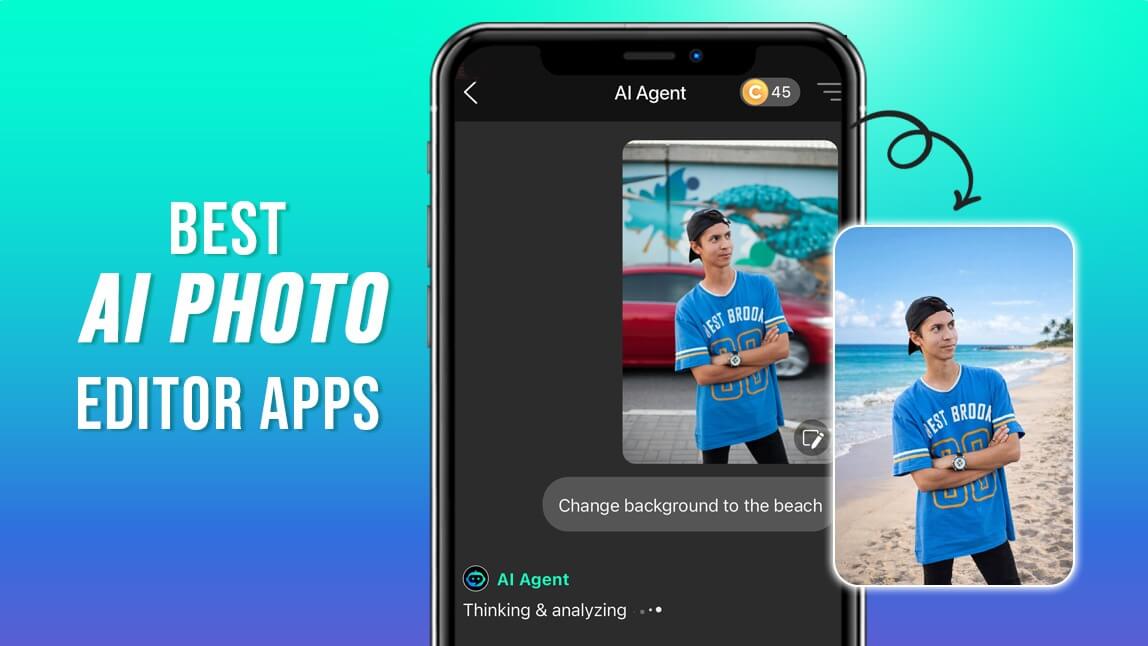
- Generative Editing: Remove/add objects, expand frames, change backgrounds.
- Portrait & Bokeh: Precise subject isolation with natural blur.
- Video Enhancements: AI stabilization, cinematic modes, object tracking.
- Style Transfer: Apply artistic filters intelligently.
These features run on-device for instant results.
Real-world example: Samsung's Object Eraser lets users remove photobombers seamlessly, used widely for social media.
3. How AI Works Behind Mobile Camera Scenes
AI combines hardware and software for magic.
- Multi-Frame Processing: Captures bursts, aligns, and merges for noise reduction.
- Machine Learning Models: Trained on millions of images for recognition.
- Neural Engines: Dedicated chips process AI tasks efficiently.
- Semantic Segmentation: Identifies elements pixel-by-pixel.
- Generative AI: Diffusion models fill or create content.
This happens in milliseconds, invisible to users.
Real-world example: Apple's Photonic Engine processes raw data before compression for superior dynamic range.

4. Top Smartphones Leading AI Photography in 2026
- Google Pixel Series: Best computational photography with Magic Editor.
- iPhone Pro Models: Cinematic mode, ProRAW with AI enhancements.
- Samsung Galaxy Ultra: Generative edit, expert RAW app.
- Xiaomi/OnePlus: Aggressive AI for night and portrait shots.
5. Benefits and Limitations of AI Mobile Photography
Benefits: Accessibility, creativity, consistency.
Limitations: Over-processing, artifacts, ethical concerns (deepfakes).
Conclusion
AI in mobile photography 2026 has democratized professional imaging, with features like generative editing and scene intelligence delivering stunning results effortlessly. Leading phones from Google, Apple, and Samsung showcase the best implementations. While limitations exist, benefits for casual and pro users are immense. Embrace AI tools, experiment with features, and capture creatively—the smartphone camera has never been more powerful.